Seville Architecture: Unmissable Styles and Iconic Buildings for a Historic Walking Tour
Seville Architecture Guide
- Published
- Reading time
- 5 min
Seville is one of those rare European capitals where nearly a thousand years of architectural evolution coexist within just a few steps of each other. Walking through its historic center feels like turning the pages of an art history textbook: an ancient Almohad minaret converted into a Christian bell tower, a dazzling Mudéjar palace still used by the Royal Family, dramatic Baroque temples, grand regionalist avenues, and cutting-edge 21st-century timber structures.
Whether you are passionate about design, history, or travel photography, this guide will help you recognize Seville's primary architectural styles, locate its most iconic landmarks, and follow the ideal self-guided walking route right from your hotel in the city center.
Architectural Styles That Define Seville
1. Almohad Architecture (12th & 13th Centuries)
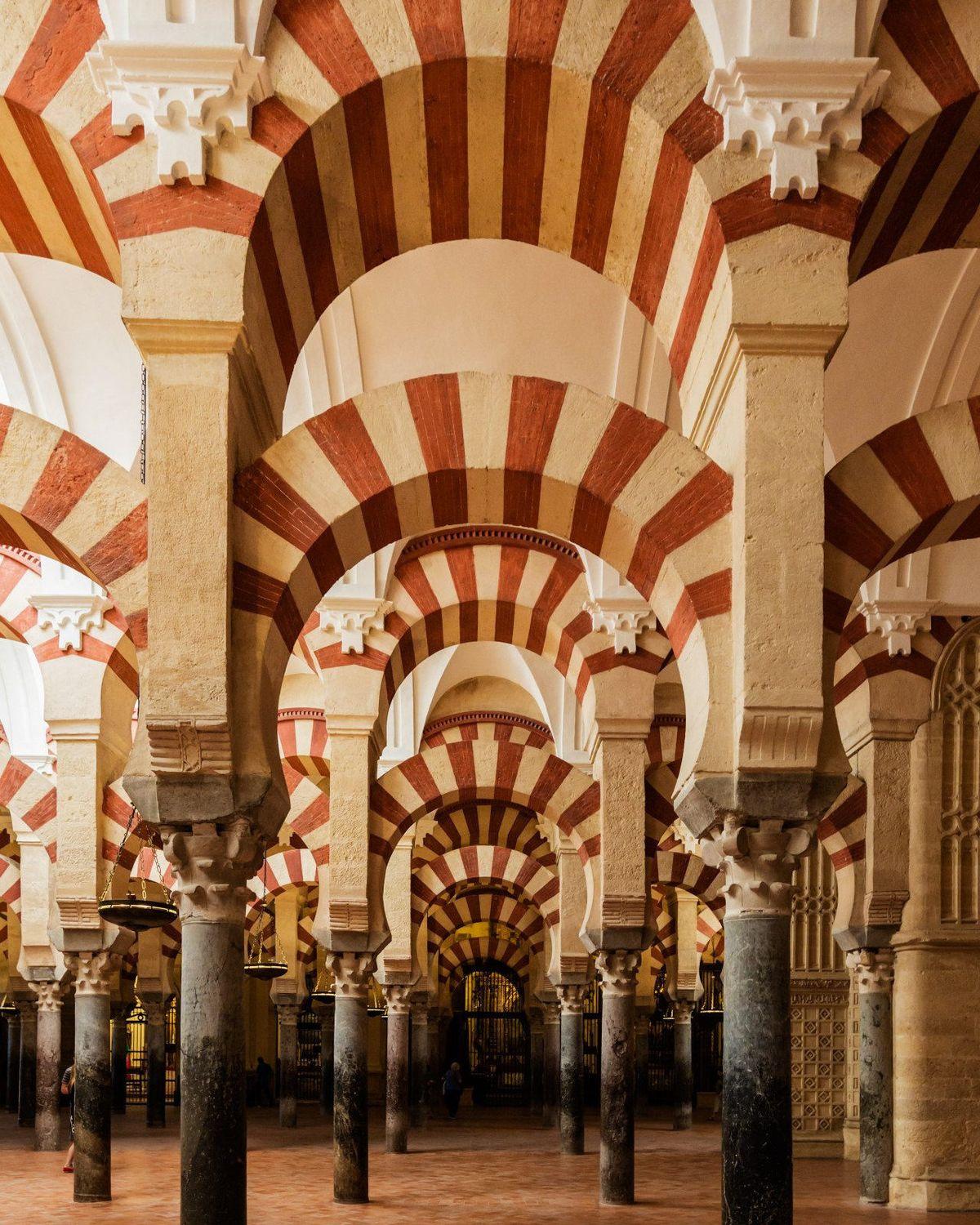
Almohad architecture represents the most visible Islamic heritage preserved in the old town. Key characteristics include exposed brickwork, horseshoe arches (both pointed and straight), and delicate geometric tile/brick panels known as sebka.
- Key Icons: The lower section of The Giralda (originally the minaret of the Great Almohad Mosque) and the Torre del Oro, a dodecagonal watchtower built to monitor naval traffic on the Guadalquivir River.
2. Isabelline and Late Gothic Architecture (15th & 16th Centuries)
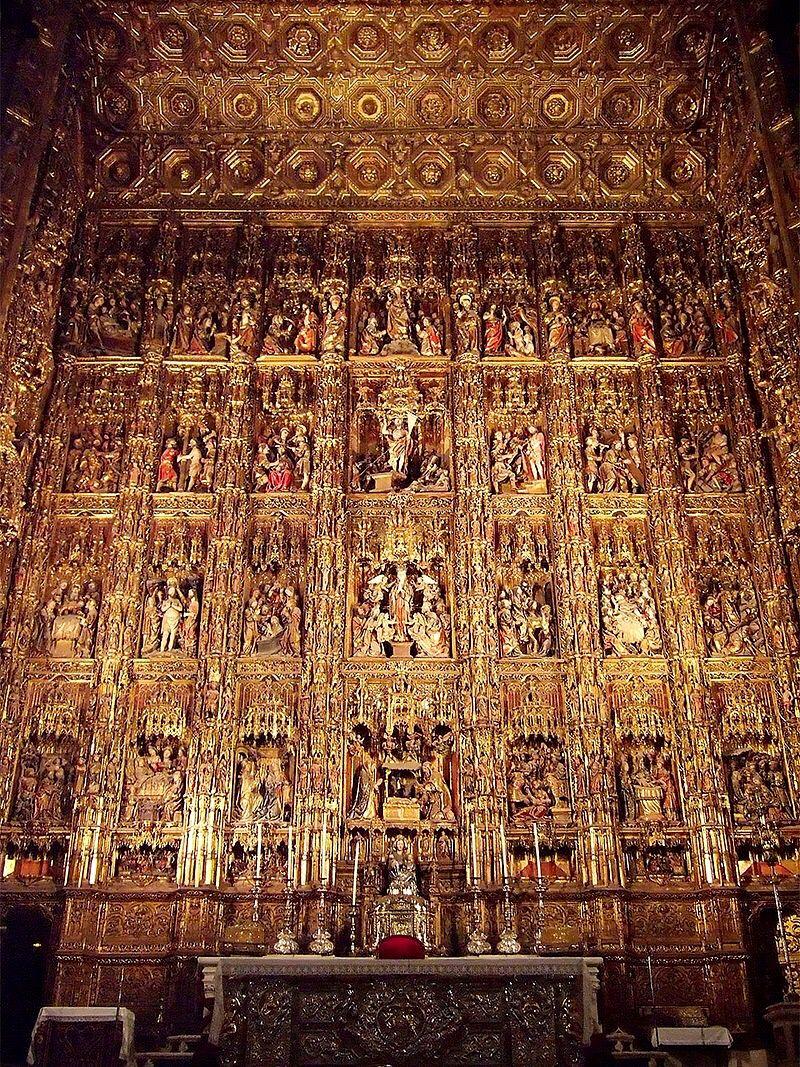
Following the Reconquista, Christian Seville projected its growing maritime wealth through grand sacred structures defined by soaring ribbed vaults, pointed spires, and intricate altarpieces.
- Key Icons: The Seville Cathedral, the largest Gothic cathedral in the world and a UNESCO World Heritage Site.
3. Mudéjar Art (14th to 16th Centuries)
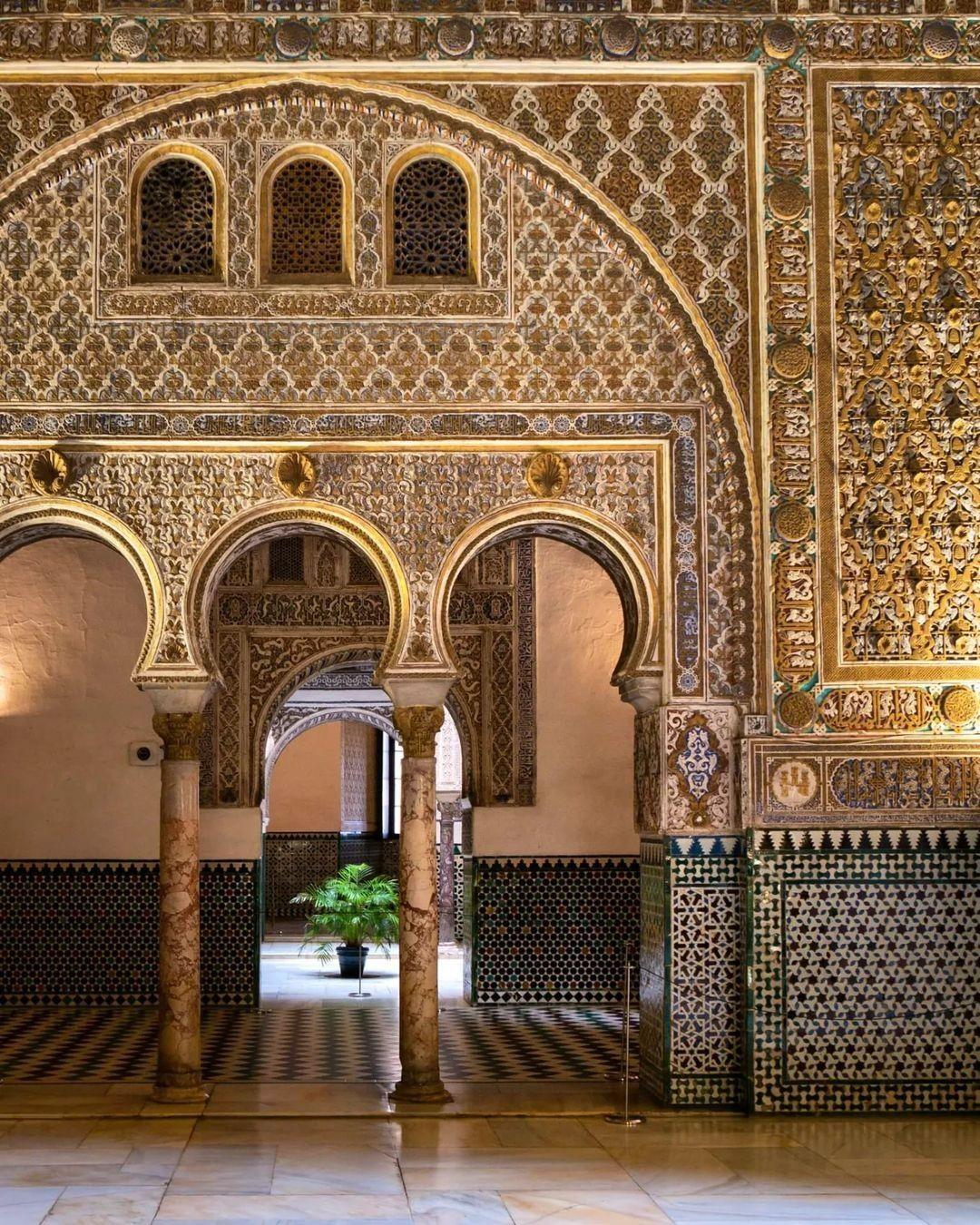
Mudéjar is the most unique and distinctive style in Sevillian architecture. It emerged from the fusion of Hispano-Islamic techniques and decorative motifs (stucco plasterwork, polychrome tiles, and carved wooden ceilings) adapted to suit Christian royal and noble commissions.
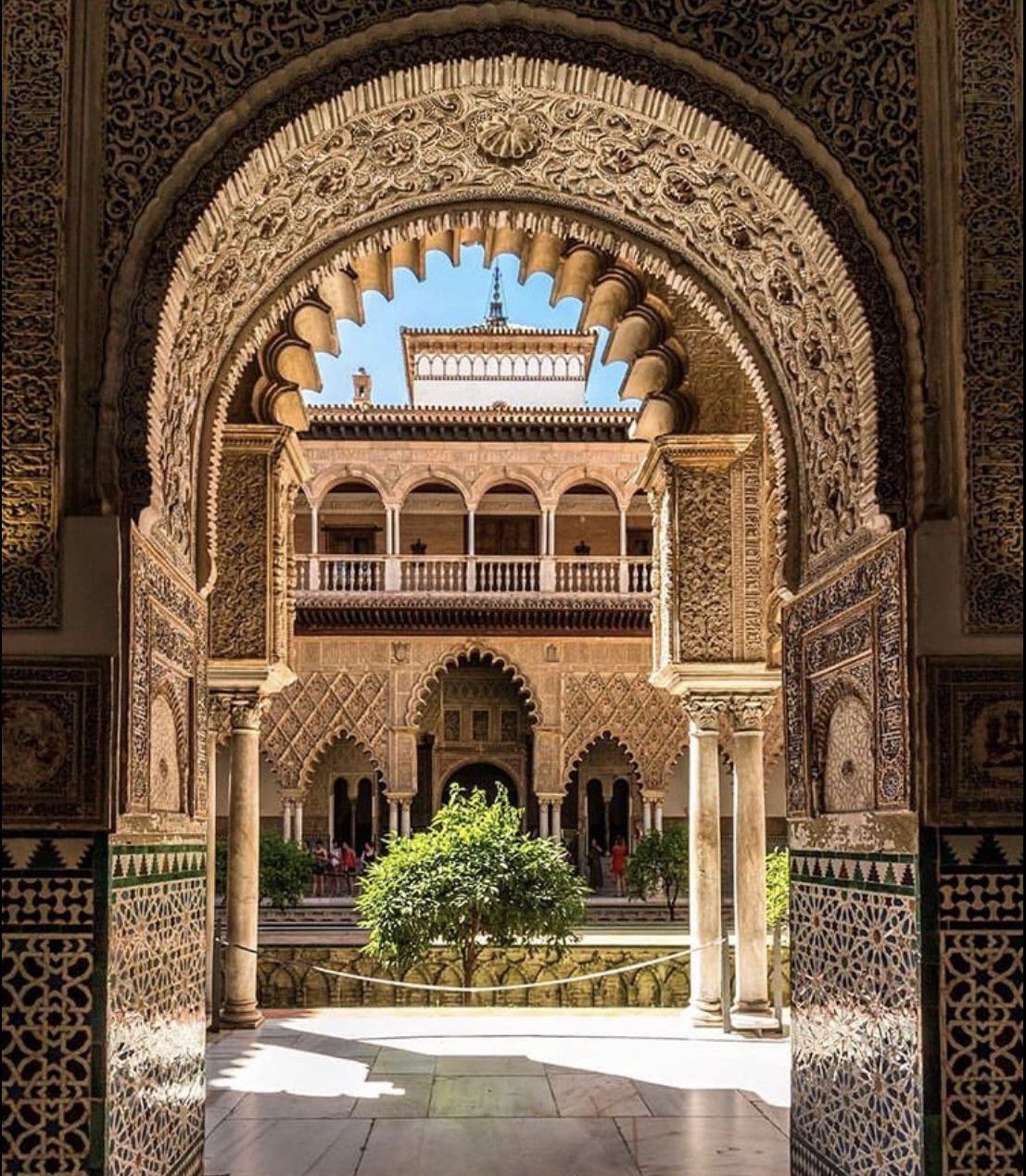
- Key Icons: The Palace of King Pedro I inside the Real Alcázar of Seville and historic parish churches across the center, such as the Church of San Esteban and the Church of Omnium Sanctorum.
4. Renaissance and Plateresque (16th Century)
Coinciding with Seville's monopoly on trade with the New World, the city embraced the classicism, symmetry, and refined proportions of the Italian Renaissance.
- Key Icons: The upper belfry section of the Giralda (designed by Hernán Ruiz II), the monumental General Archive of the Indies (originally the Merchants' Exchange, designed by Juan de Herrera), and the noble palace of Casa de Pilatos.
5. Sevillian Baroque (17th & 18th Centuries)
Local Baroque architecture is celebrated for its theatricality, vibrant facade coloring (blending reddish brick with whitewashed walls), and golden altarpieces.
- Key Icons: The majestic Colegial Church of El Salvador, the complex of San Luis de los Franceses, the Hospital de los Venerables, and the Hospital de la Caridad.
6. Sevillian Regionalism (1929 Ibero-American Exposition)
In the early 20th century, architect Aníbal González reshaped the city's visual identity by introducing a Neo-Mudéjar and Neo-Baroque aesthetic that celebrated local craftsmanship, exposed brickwork, wrought iron, and traditional Triana ceramics.
- Key Icons: The world-famous Plaza de España and the surrounding exhibition pavilions at Plaza de América inside María Luisa Park.
7. Contemporary and Avant-Garde Architecture (20th & 21st Centuries)
Modern times introduced bold engineering masterpieces that engage in a dynamic contrast with Seville's historical fabric.
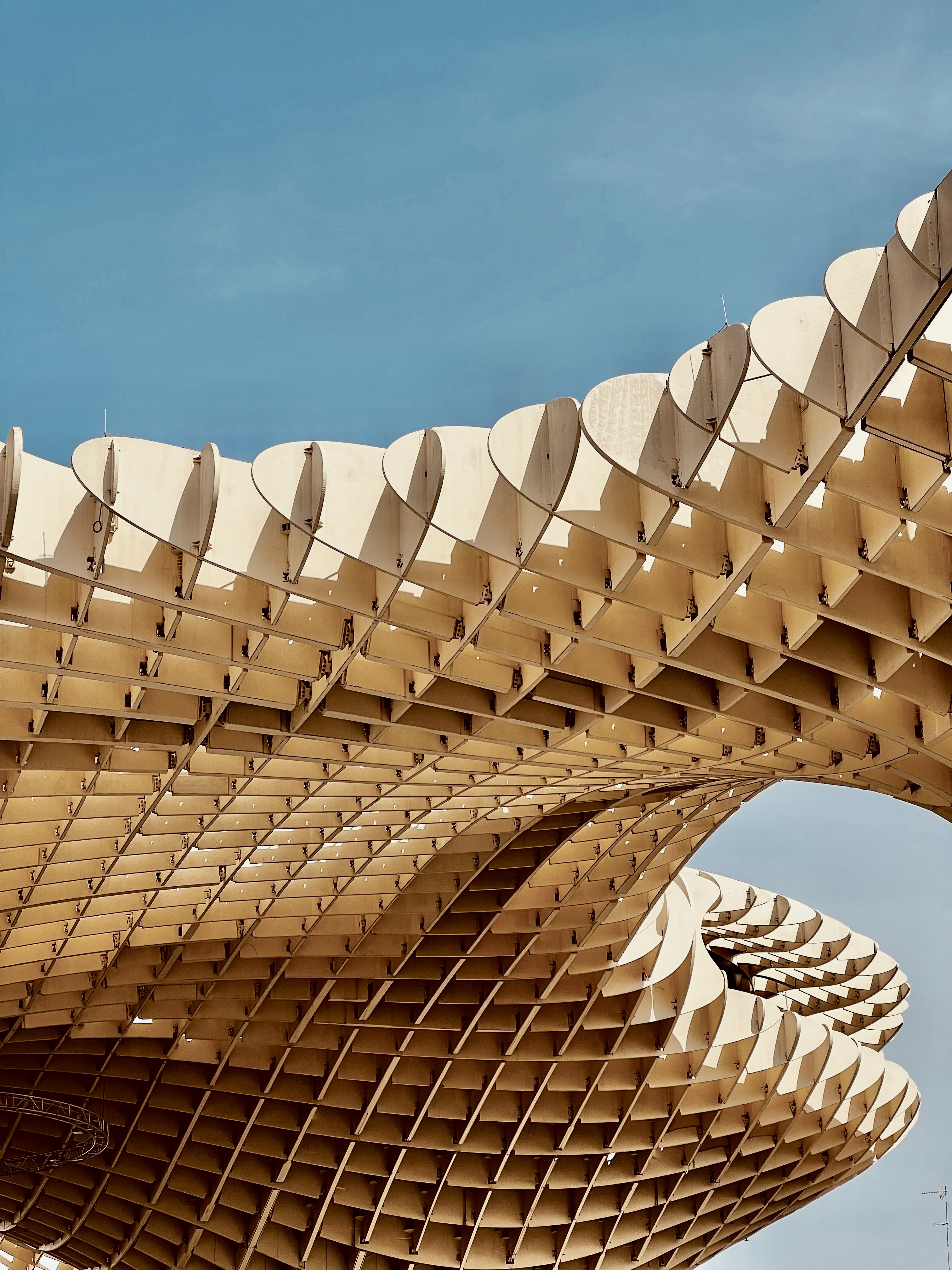
- Key Icons: Las Setas de Sevilla (Metropol Parasol), designed by German architect Jürgen Mayer H. in Plaza de la Encarnación, alongside Expo '92 structures such as Santiago Calatrava’s Alamillo Bridge and the Navigation Pavilion on the Isla de la Cartuja.
Must-Visit Architectural Landmarks
- Seville Cathedral & The Giralda: The single best landmark to trace three major architectural eras (Almohad, Gothic, and Renaissance) in one complex.
- Real Alcázar of Seville: The oldest active royal palace in Europe and the pinnacle of Mudéjar secular design.
- Plaza de España: A grand semi-circular complex with a central canal, bridges, and tiled alcoves representing every province in Spain.
- General Archive of the Indies: A sober, elegant Renaissance building designated as a UNESCO World Heritage Site along with the Cathedral and Alcázar.
- Casa de Pilatos: A ducal palace combining traditional Mudéjar craftsmanship, late Gothic details, and Italian Renaissance courtyards.
- Torre del Oro: A 13th-century Almohad riverfront watchtower overlooking the Guadalquivir.
- Royal Tobacco Factory: An immense 18th-century industrial building, now serving as the main headquarters for the University of Seville.
- Plaza de Toros de la Real Maestranza: One of Spain’s premier bullrings and an outstanding example of Sevillian Baroque and Neoclassical architecture.
- Las Setas de Sevilla: The largest timber structure in the world, featuring an elevated panoramic walkway overlooking the city skyline.
Self-Guided Architectural Walking Route (Half-Day Itinerary)
This continuous walking route connects Seville's premier architectural highlights in roughly 3 to 4 hours:
- Start at Plaza Virgen de los Reyes: Take in the contrast between the solid Gothic walls of the Cathedral and the Renaissance belfry atop the Giralda.
- UNESCO Monumental Core: Walk past the Archive of the Indies and enter the Real Alcázar to marvel at its Mudéjar courtyards and carved wooden ceilings.
- Santa Cruz Quarter & Casa de Pilatos: Wander through the narrow lanes of the historic Jewish Quarter toward the palace at Plaza de Pilatos.
- Plaza de la Encarnación: Head north to Las Setas de Sevilla to experience the leap into 21st-century wooden architecture.
- Finish at Plaza de España: Stroll south through the lush gardens of María Luisa Park to take in the regionalist grandeur of 1929.
If you have additional days to explore the city at your own pace, check out our Complete 3-Day Seville Itinerary.
Tips for Appreciating & Photographing Sevillian Architecture
- Look Upward: Many of the finest decorative features (such as carved Mudéjar coffered ceilings or Baroque frescoed domes) are situated high above eye level.
- Time the Light: Golden hour during early mornings and late afternoons highlights the warm hues of Sevillian brickwork and handcrafted ceramic tiles.
- Avoid Crowds at Plaza de España: Visit early in the morning (before 9:30 AM) to shoot clear photographs of the arched galleries.
- Book Tickets in Advance: High-demand attractions like the Real Alcázar and Cathedral require timed-entry tickets purchased via their official websites.
Stay Surrounded by History & Architecture
To experience the city's architectural evolution up close, nothing compares to staying in the heart of the historic district. Casa Candela Sevilla is situated in the prime location of Plaza de la Encarnación, directly across from the groundbreaking Setas de Sevilla.
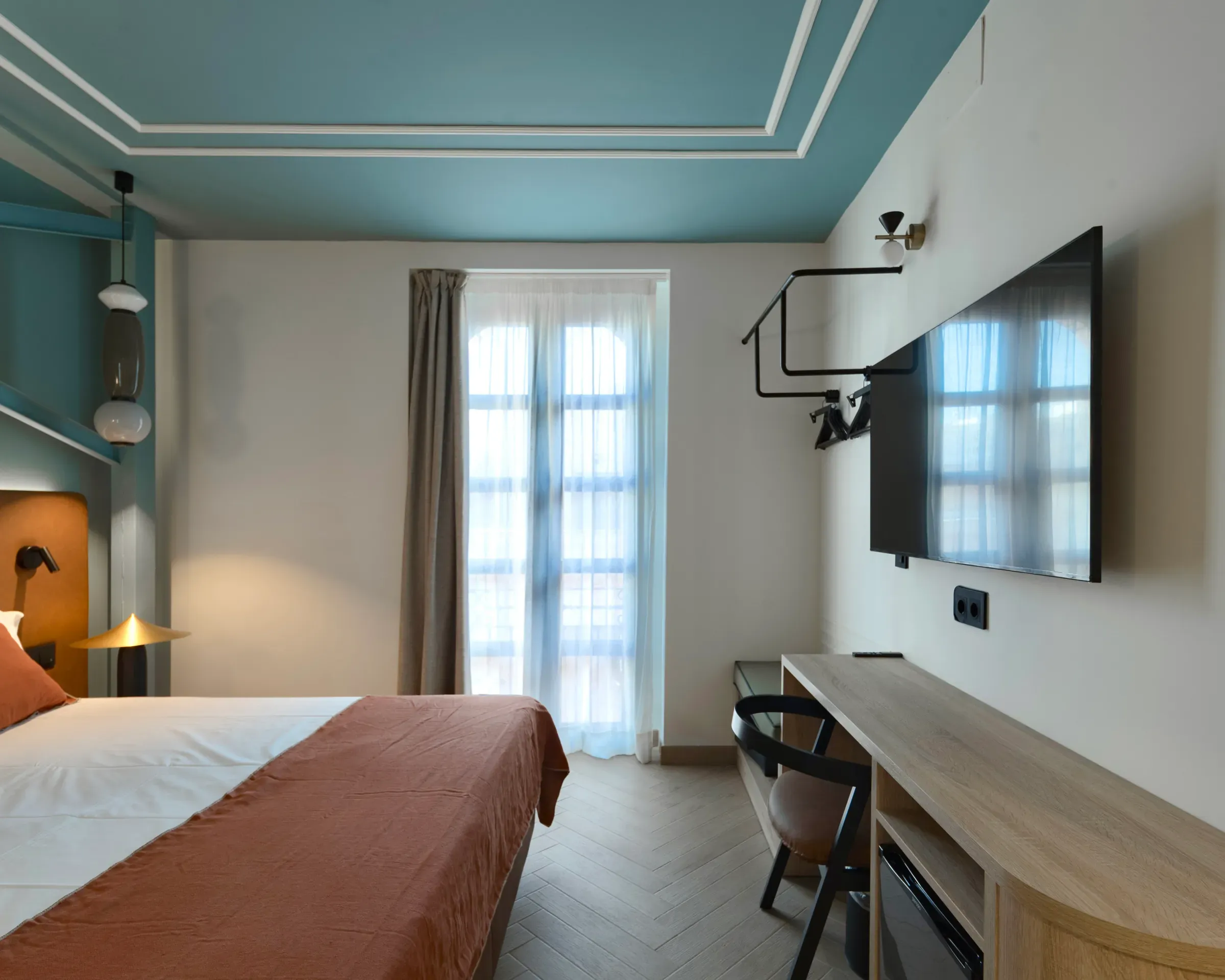
Our boutique hotel seamlessly bridges traditional old-town architecture—featuring bright rooms, high ceilings, and noble materials—with contemporary luxury, including an exclusive rooftop terrace with a pool and panoramic views facing Seville's most iconic 21st-century monument.
Check availability and book directly on our official website for the best rate.
Frequently Asked Questions
Which architectural style is most representative of Seville?
Mudéjar and Sevillian Baroque are the two styles that most distinctly define the identity of the city's streets, palaces, and churches.
What is Sevillian Regionalism?
It is the architectural movement developed in the early 20th century for the 1929 Ibero-American Exposition. It revived local building traditions, incorporating exposed brick, wrought iron, and colorful glazed ceramic tiles (azulejos).
What is the oldest surviving Islamic building in Seville?
The lower section of The Giralda (the 12th-century Almohad minaret) and the Torre del Oro (1220) are the best-preserved Islamic military and religious structures in the city.
Can you complete an architecture tour in a single day?
Yes. Seville's historic center is compact and very walkable. You can complete the exterior route in a half-day or spend a full day if you plan to visit the interiors of major monuments.